 Water Treatment Market
How chloramine is different
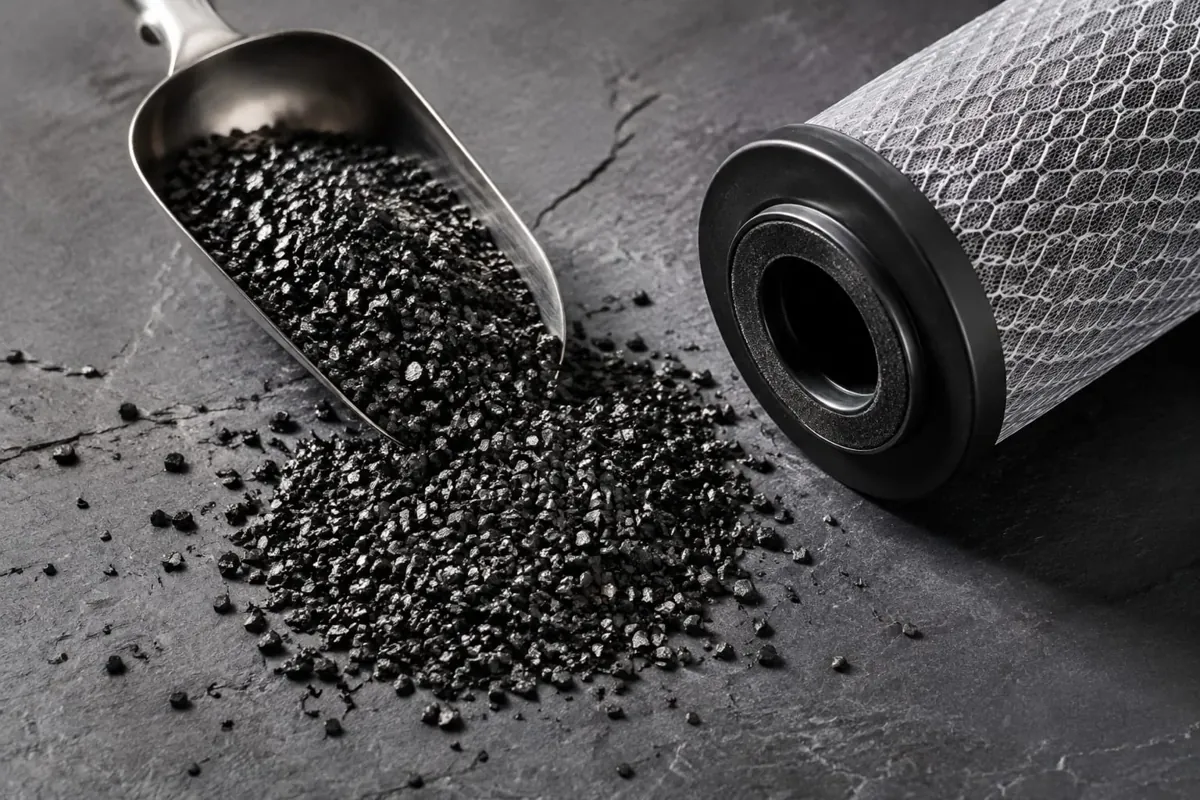
The Environmental Protection Agency describes chloramine as formed when ammonia is added to water containing free chlorine. The water-board water guide adds that chloramine lasts longer in pipes, does not evaporate from a pitcher left on the counter, and needs catalytic carbon for removal; a softener alone does not remove it.
- The legal benchmark is an annual average.
- One sample above 4.0 is not, by itself, the compliance result.
- Chlorine and chloramine should not be treated as interchangeable when choosing carbon.
Local readings on the scale
Aqua Pro's sourced benchmark research records Pinellas County at 3.8 parts per million, or 95 percent of the benchmark; Tampa at 3.6, or 90 percent; Clearwater at 3.18; and Pasco County regional chloramines at an average of 3.44, or 86 percent.
- Pinellas County: 3.8 parts per million.
- Tampa: 3.6 parts per million.
- Clearwater: 3.18 parts per million.
- Pasco County regional: 3.44 parts per million average.
What to ask a provider
Ask whether the water uses chlorine or chloramine, which carbon the proposed system uses for that disinfectant, and what maintenance keeps it working. The answer should trace back to the utility report and the equipment specification.
Sources
- United States Environmental Protection Agency, “Basic Information about Chloramines and Drinking Water Disinfection” and disinfectant rule summary, as captured in Aqua Pro staged chlorine research, 2026-11-13.
- Aqua Pro county sources for Pinellas County, Tampa, Clearwater, and Pasco County.