 Water Treatment Market
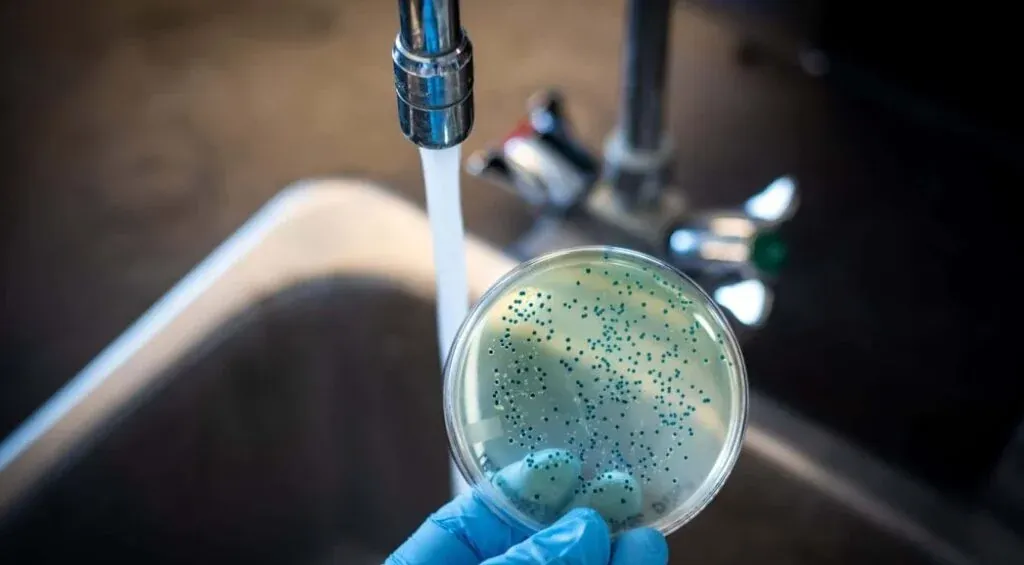
City water: the utility tests, you read
Public systems are monitored under the federal Safe Drinking Water Act and must publish an annual water quality report — the Consumer Confidence Report — covering the contaminants they are required to test for. Your job on city water is reading: the report for your system is in this site's water library, with a page that teaches you to read every number on it. The system's results are system averages, though; they cannot see your home's own pipes, which is why a first-draw tap test is still the lead answer that matters.
Well water: the Florida schedule
- Every year: coliform bacteria and nitrate (the Florida Department of Health recommendation, with pH on the annual list in the state well-owner guidance).
- Every three years: lead.
- Immediately, off-schedule: after flooding or a submerged wellhead, after well repairs or a new pump, and whenever taste, odor, or appearance changes, or illness recurs in the household.
- Where: some county health departments test; otherwise use a certified laboratory — Florida's certified-lab list runs through the Department of Environmental Protection.
Why the two schedules differ
It is not that well water is assumed dirtier. It is that a public system has a testing department and a private well has a homeowner. The contaminants on the annual list — bacteria and nitrate — are the ones that can change quickly and matter most, which is exactly why they are annual. Put the well dates on the same calendar as the softener salt checks and the water-heater flush, and the schedule keeps itself.
Sources
- Florida Well Owner Network, University of Florida IFAS Extension, frequently asked questions (Florida Department of Health annual testing recommendation: coliform bacteria, nitrate, lead, and pH; lead on a three-year cycle in state guidance; no state mandate; certified laboratories), read in full for this page.
- Water Treatment Market city water pages and reading-a-water-quality-report page, on file (annual Consumer Confidence Reports under the Safe Drinking Water Act).