 Water Treatment Market
Start with the hot-and-cold test
Run the cold water and the hot water separately. Florida Department of Health guidance summarized in Aqua Pro's sulfur guide gives a practical diagnostic: hot-only odor can come from the water heater; odor in both can come from sulfur bacteria in the well or plumbing, treated-water equipment, or hydrogen sulfide in the groundwater.
- Hot only: inspect the water-heater side first.
- Hot and cold: test the source water and plumbing.
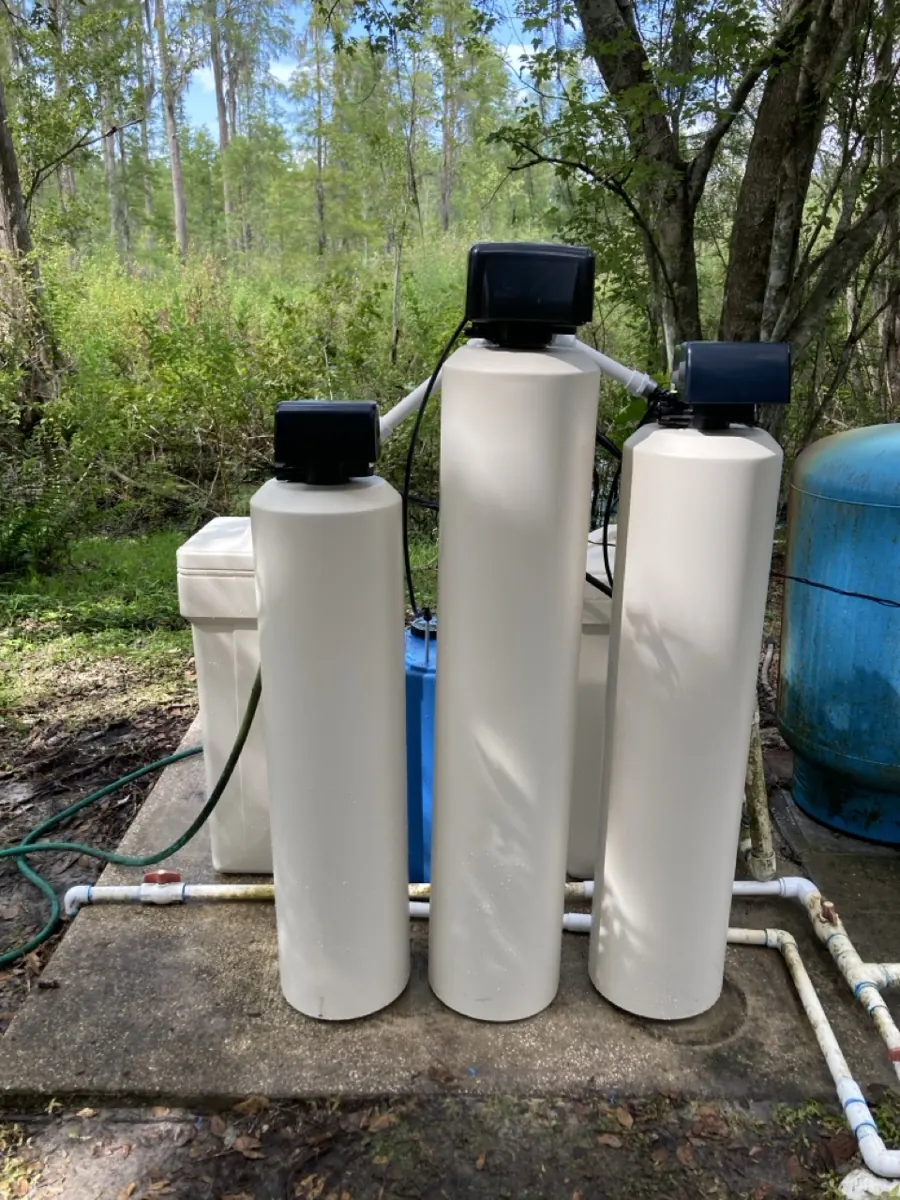
- After treatment only: check the treatment equipment as a possible bacteria location.
What the number means
Hydrogen sulfide has no United States Environmental Protection Agency safe-drinking-water guideline in the staged Aqua Pro source set. The University of Massachusetts Amherst fact sheet cited there says most people can detect it at 0.05 milligrams per liter. Milligrams per liter and parts per million mean the same amount for water.
- Odor can be obvious at a very low level.
- A smell is not a bacteria test.
- The source matters more than guessing a treatment from the smell alone.
What it does not prove
Sulfur bacteria are not harmful, and the Florida Department of Health says the rotten-egg smell, in most cases, does not by itself tell you whether well water is clean. A certified laboratory test is the proof when bacteria safety is the question.
Sources
- Florida Department of Health, “Well Water Facts: Odor & Staining,” as captured in Aqua Pro staged sulfur research, 2026-11-17.
- University of Massachusetts Amherst, “Hydrogen Sulfide and Sulfate in Private Drinking Water Wells,” as captured in Aqua Pro staged sulfur research, 2026-11-17.