 Water Treatment Market
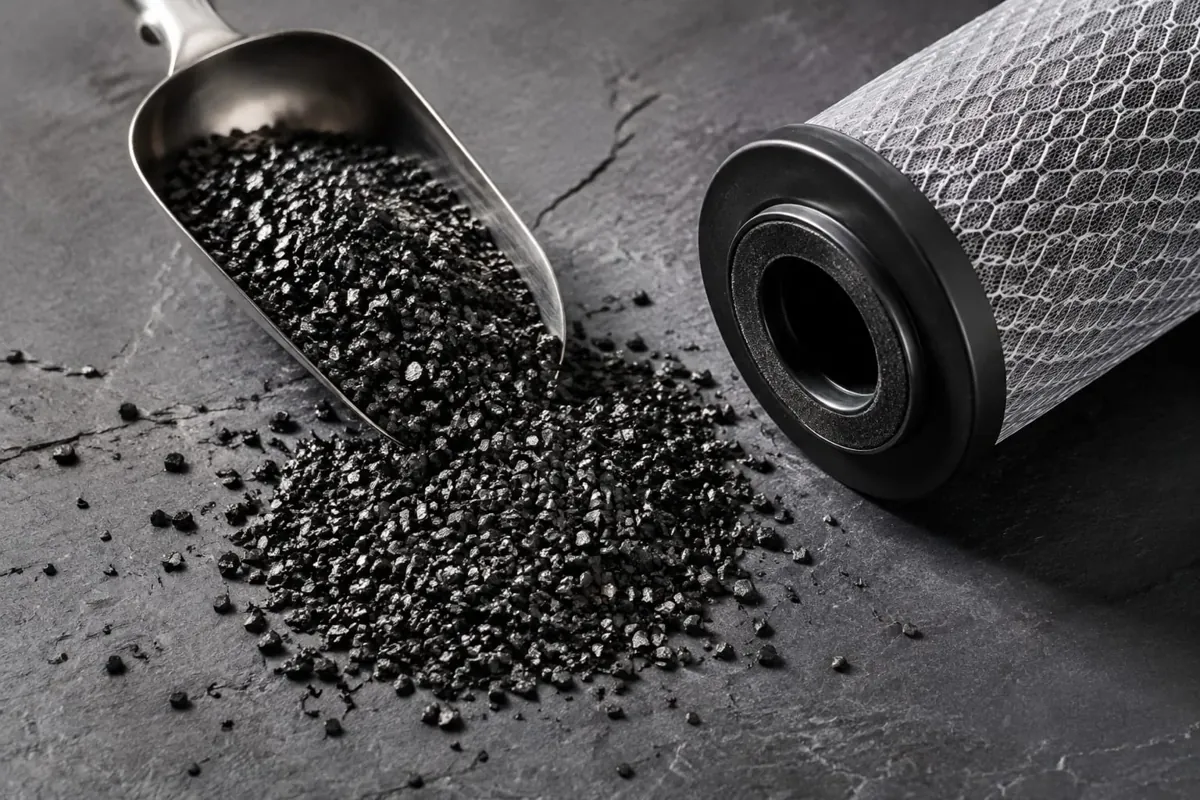
Two carbons, two jobs
Carbon media traps tastes, odors, and disinfectant as water passes through it. The distinction that matters in Tampa Bay is the disinfectant itself: most local utilities disinfect with chloramine, and the guidance on file is specific — catalytic carbon is the chloramine tool, and plain carbon does not remove chloramine reliably. The City of Tampa's own conversion notice told customers a carbon filter handles the taste and odor during its free-chlorine periods, which is the chlorine side of the same lesson.
How carbon wears out
Carbon works by adsorption — contaminants stick to its enormous internal surface. That surface is finite. As it fills, breakthrough begins: first the taste creeps back at high flow, then it is there all the time. Backwashing carbon filters — a standard whole-house category in the products taxonomy — keep the bed lifted and channel-free, but backwashing does not restore spent surface; it only keeps working carbon working evenly.
- Taste or pool smell returning is the exhaustion signal, not a calendar date.
- A carbon pre-tank ahead of a softener is also protecting the resin behind it.
- Media life depends on your water and your usage — anyone quoting an exact year sight-unseen is guessing.
The media change
When carbon is spent, the job is a media change: old media out of the same tank, fresh media in, valve and plumbing untouched. It is the carbon equivalent of a resin re-bed, and it belongs on the service record with the date and the media type — catalytic or plain — so the next change is a lookup, not an investigation.
Sources
- Aqua Pro Services chlorine and chloramine benchmark copy and whole-house staging notes, on file (catalytic carbon for chloramine; plain carbon does not remove it reliably; City of Tampa carbon-filter recommendation during conversion).
- Water Treatment Market products market specification, 2026-11-17 (backwashing carbon filters as the whole-house carbon category).
- Water Treatment Market chlorine and chloramine page.