 Water Treatment Market
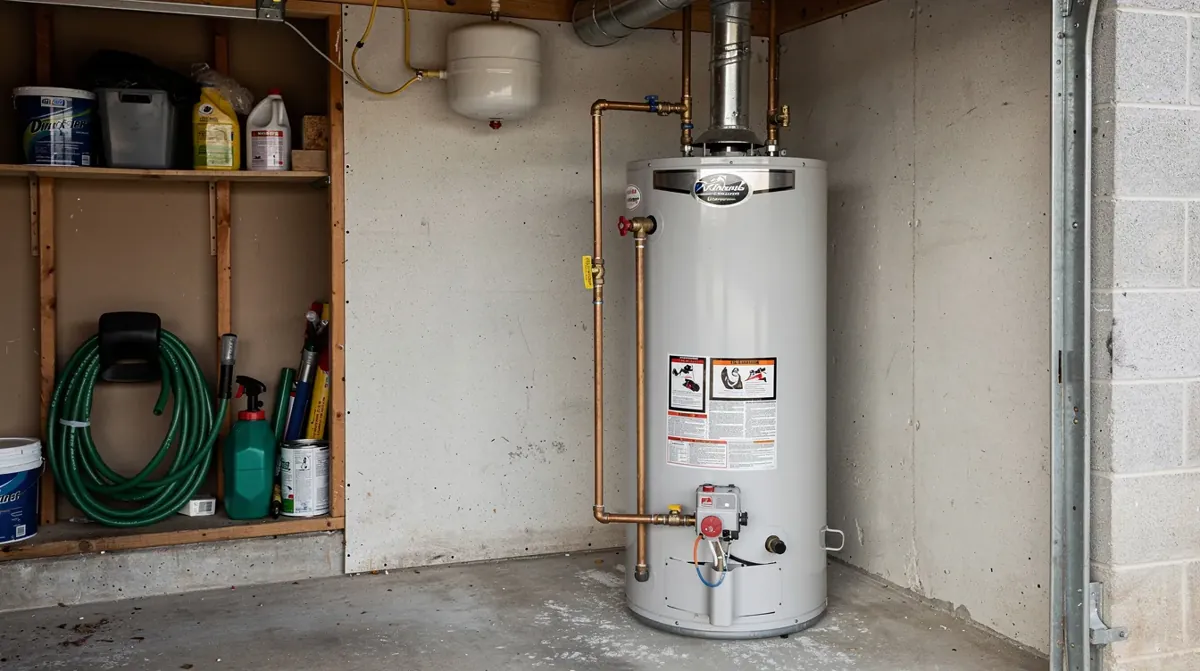
The sacrificial part
A tank water heater is steel lined against water, and water wins every long fight with steel. The anode rod exists to lose that fight first: it corrodes preferentially, spending itself so the tank wall is spared. The water-heater guide on file puts it the plain way — the manuals want the rod inspected about once a year, and most owners have it checked on a service visit, paired naturally with the annual flush.
The hot-water-only smell clue
One of the most useful diagnostics in the well-water material on file: a sulfur smell in hot water only usually points to the water heater — the anode rod plus sulfate-reducing bacteria generating the rotten-egg gas inside the tank — while the smell in both hot and cold points back to the supply or the well. That one observation routes the whole job: heater-side fix versus supply-side treatment.
- Smell in hot water only: start at the heater and its anode rod.
- Smell in hot and cold: the problem is upstream of the heater.
- A spent rod also shows up as rust streaks and a tank that starts rumbling with sediment.
When it is done
A rod that has corroded down to its core wire is no longer protecting anything, and the tank's own corrosion clock starts. Replacement is a standard service item — far cheaper than the tank it protects. Gas smell, rust streaks from the tank itself, or active leaking are not anode problems; those are failing-heater signs, and they end the maintenance conversation.
Sources
- Aqua Pro Services water heater flush guide and owner manual page, on file (anode rod inspected about once a year per the manufacturers' manuals; sacrificial purpose; failing-heater signs).
- Aqua Pro Services well-water page material, on file (hot-water-only sulfur smell points to the water heater's anode rod and sulfate-reducing bacteria; hot-and-cold points to the supply).