 Water Treatment Market
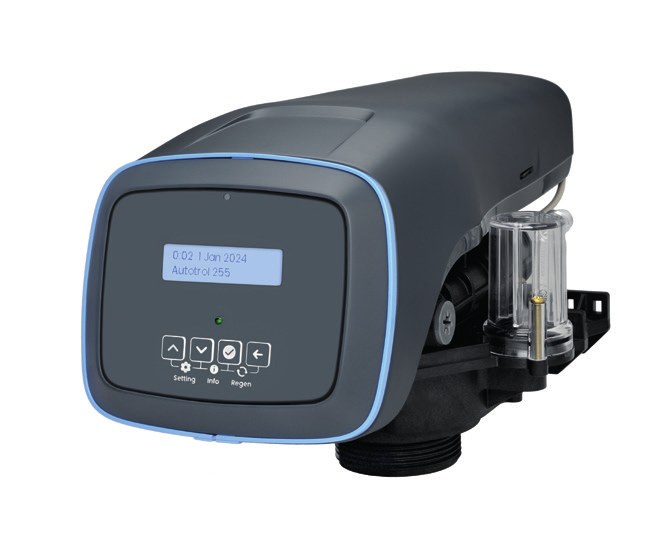
1. The bypass (Series 256)
The 255 — and its Performa brothers, the 263 and 268 — wears its bypass on the back of the valve: a block with two flat bar handles, one on each round disc. Vertical bars are the day-to-day position, water through the softener. Turn both bars together until they lie horizontal and the softener is isolated; the house has hard water and the unit cannot flood anything. Softener leaking, or running water down the drain without quitting? Both bars horizontal, then think. And when the problem is fixed, put it back — a softener left in bypass is the classic reason for a hard-water complaint with a perfectly good unit.
2. The Logix clock, and 3. a regeneration by hand
- Most 255s wear a Logix digital control: the 742 (time-clock) or the 762 (metered). After a long outage, check the time of day first — a wrong clock lands the 2 a.m. regeneration in your morning shower.
- Pentair put a quick-start sheet on page 3 of the current manual that walks the basic Logix setup in order; your settings card holds the numbers your unit was set up with. Do not adopt numbers from a video or forum — capacity and hardness depend on your tank size and your water test.
- Regeneration tonight: press REGEN once; the regeneration symbol flashes and the unit runs at the set time.
- Regeneration right now: press and hold REGEN for five seconds; the symbol goes solid and it starts immediately. The steps are the same on the 742 and the 762.
4. What normal looks like, and 5. salt
A regeneration runs an hour or more depending on the cycle times programmed into your unit, and the display counts down the time left. Water running to the drain during a cycle is normal; a drain line that drips all day, every day, is not. Water standing in the bottom of the salt tank is normal. Salt itself: pellets, tank covered, checked monthly, kept above the water line — and if the tank looks full while the water goes hard, poke the salt with a broom handle; a crusted salt bridge can hide an empty space under a full-looking top, especially in a humid garage.
Sources
- Pentair Residential Filtration, Autotrol 742/762 Control — 255 & Performa Series Service Manual (© 2024; quick-start sheet and REGEN steps) and Autotrol 255 Valve / 400 Series Controls Service Manual (Form 1018075, Rev R; Figure 4 bypass positions) — verified copies and verification log on file (manual-sources record, 2026-11-02).
- Aqua Pro Services Autotrol 255 quick guide, staged copy on file (handle shape and positions corrected against Pentair's figures in the 2026-11-02 accuracy audit).