Softener Salt and Regeneration
Regeneration is the softener cleaning its resin so it can remove hardness again. Salt is part of that cleaning cycle—not a water additive to shop for by health claims.
 Water Treatment Market
Know Your Water. Hire Verified. Buy Right.
Small checks prevent most surprises. Each care task has its own page instead of being buried in one long manual.
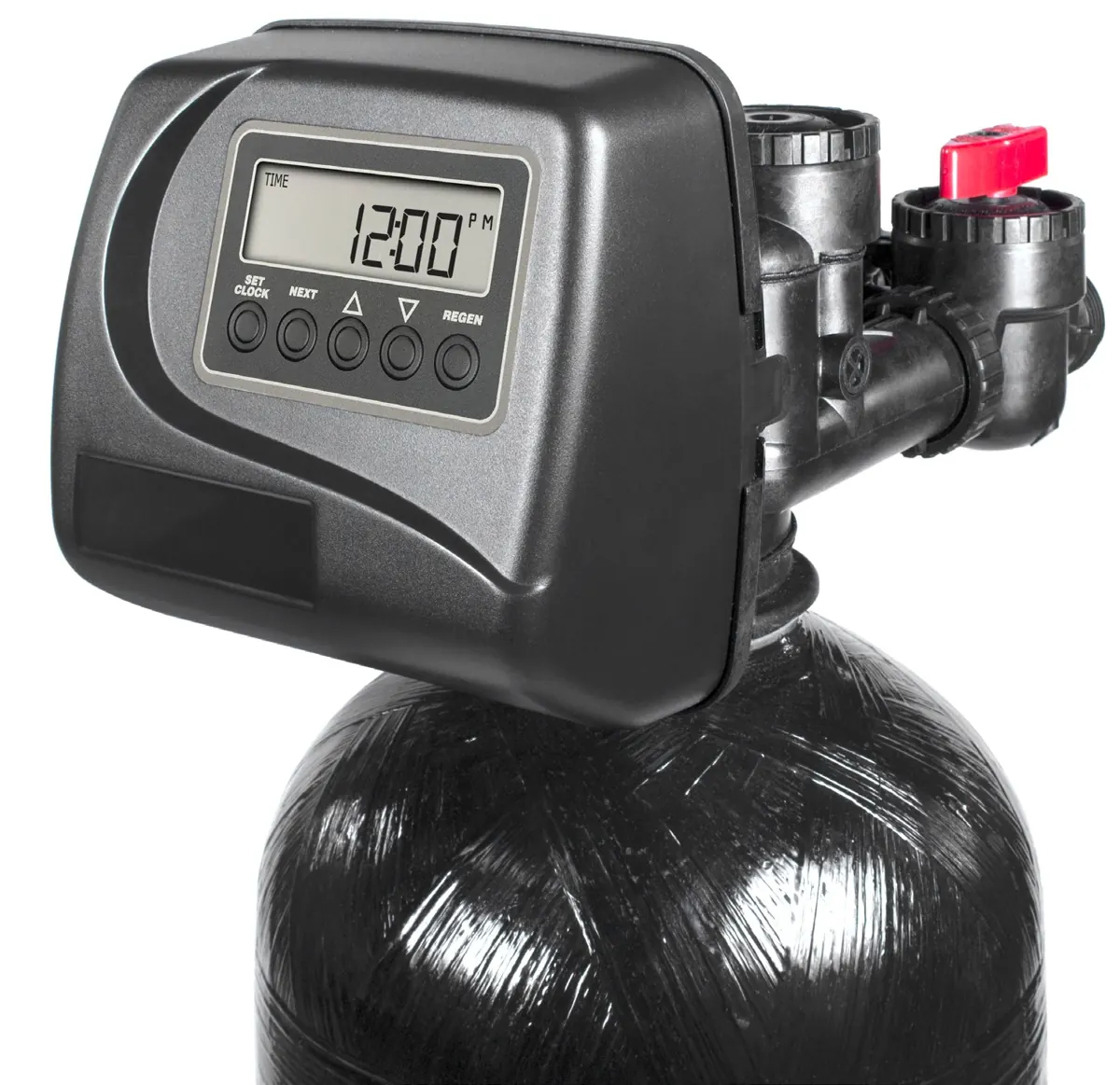
Regeneration is the softener cleaning its resin so it can remove hardness again. Salt is part of that cleaning cycle—not a water additive to shop for by health claims.
Bypass takes the softener out of the water path while the house keeps water. It is the first move when the unit is leaking or running.
The calendar gives a starting point. The total dissolved solids reduction tells you whether the membrane is still doing its job.
A reverse osmosis record turns “the water tastes different” into a dated comparison.
A water softener is not the only equipment affected by hard water. Sediment settles in the water heater whether anyone records it or not.
Two simple states explain many “my softener stopped working” calls: the unit is in bypass, or it cannot regenerate properly.
Softener resin does the softening. What wears it out—chloramine, iron, time—the signs it is tired, and why tired resin is a media job, not a new system.
Carbon traps chlorine taste and chloramine until it fills up. Catalytic versus plain carbon, the signs of exhaustion, and what a media change involves.
Shock chlorination, step by step from Florida’s own well guidance: the bleach rules that matter, the waiting period, and the retest.
The anode rod rusts so your tank does not. Why the manuals want it checked yearly, the hot-water smell clue, and when replacement is due.
The V3006 bypass arrows, setting the clock, starting a regeneration by hand, the hardness setting, and salt—from the factory books.
Three bypass styles, setting the clock on both heads, manual regeneration, the program wheel, and the right salt to use.
The Series 256 bypass handles, Logix 742 and 762 controls, starting a regeneration, and salt—from Pentair’s own manuals.
The two bypass styles, the display lock, modes A-01 to A-07, and salt—owner steps only, from the RevV4 service manual.
The same ceramic bypass as the REV4, the clock, settings from your card, and salt—from the RevV2.5 factory service manual.
The annual lamp change and quartz sleeve cleaning for a VIQUA ultraviolet system—9,000 hours, the exact part numbers, and the safety steps, from the manufacturer’s own manual.